Category
Technical Notes
- ·3 min read
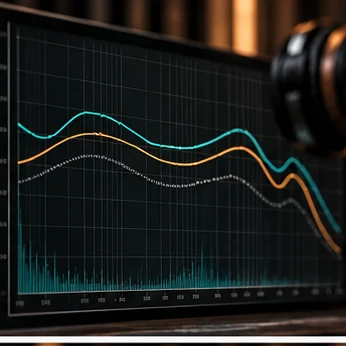
Reading a Frequency-Response Graph: Targets, Ear Gain and Why Measurements Disagree
How to read an IEM frequency-response graph: what target curves like Harman and diffuse field mean, why IEM graphs are never flat, which parts of the graph to trust, and how to use comparison sites without fooling yourself.
- ·3 min read
Sound Signatures Explained: Neutral, Harman, Warm, V-Shape and the Rest
A reference to the sound signatures audiophiles use to describe IEMs and headphones: what neutral, Harman, warm, dark, bright, V, U, W and vocal tunings sound like, who each suits, and how to find your own.

- ·3 min read
What You Can Actually Hear: Sample Rate, Bit Depth and Bitrate
Sample rate, bit depth, bitrate and file formats: what the numbers mean and what they do not establish.
- ·3 min read
Migrating to uv from pip + venv + requirements.txt: a pragmatic path
You don't have to commit to a full migration to benefit from uv. The pip compatibility layer is a zero-effort speedup. Move source-of-truth to pyproject.toml only when it earns its keep.

- ·3 min read
Starting a new Python project in 2026 with uv
Six commands, five files, zero `source activate`. A walkthrough from `uv init` to a project that runs tests, ships a CLI, and is ready to dockerize.

- ·3 min read
uv vs pip + venv + pyenv: speed, lockfiles, and the death of `source activate`
Three axes where uv wins and they compound: raw speed from a Rust resolver and a global hardlink cache, a real lockfile instead of a pip freeze snapshot, and a workflow that finally retires source .venv/bin/activate.

- ·3 min read
Why uv Exists: The Pre-uv Python Tooling Mess, and What Astral Consolidated
Before uv, a working Python project needed five tools and a working knowledge of how they fail at the seams. uv collapsed them into one Rust binary because the seams were the problem.
